Quick answer: before leaving your Costa del Sol home for the winter, turn off the main water valve and the water heater, put the pool into winter mode (don’t drain it), clear terrace drains before the autumn rains, set up damp protection, check your insurance, and arrange for someone to check the property every two to four weeks. Below is the full checklist, in the order you’ll need it.
Why an empty home needs a plan on the Costa del Sol
Winters in Marbella, Estepona and Mijas are mild, so it’s easy to assume a closed-up home will look after itself. It usually won’t. The risks here are different from northern Europe — frozen pipes are rare on the coast — but they are real:
Heavy autumn rain. Storm episodes (known locally as DANA or gota fría) can drop weeks of rain in hours. Blocked terrace drains and gutters are the most common cause of water getting inside.
Humidity. Homes near the sea that stay shut for months are prone to damp, musty smells and mould on walls, wardrobes and mattresses.
Slow leaks. A dripping pipe or a failed flexi-hose under a sink can run for weeks before anyone notices.
Garden and pests. Wind, fallen branches and pine processionary caterpillar nests all appear during the months you’re away.
The good news: almost all of this is prevented by a few hours of preparation and a simple check-up routine. Here is the order to do it in.
4 weeks before: book the people you’ll need
October and November are busy months for pool technicians, gardeners and cleaners on the coast, as hundreds of owners leave at the same time. Book early.
Pool winterising — a technician to treat the water, adjust the pump and fit the cover.
Gutters and terrace drains — cleared before the first heavy rains, not after.
A key holder — someone you trust to check the property regularly while you’re away (see what a good check covers below).
Your insurance policy — many home policies have conditions for properties left unoccupied, such as a maximum number of days or regular inspections. Read the clause, and ask your insurer if it’s unclear.
Need a key holder or pool technician? Compare local professionals in Marbella, Estepona, Benahavís and Mijas on HECHIA.
1-2 weeks before: service, paperwork and neighbours
Air conditioning. Have the filters cleaned now, so the system is ready when you return — or when you use it for heating over Christmas.
Garden. Prune anything that could break in the wind, and ask your gardener to switch irrigation to a winter programme.
Direct debits. Make sure electricity, water, internet, community fees and local taxes such as IBI are paid by direct debit from an account that will stay funded.
Alarm. Update the contact list with your key holder’s number.
Community and neighbours. Let the community administrator or a trusted neighbour know you’re away and who holds the keys.
Departure day: what to switch off and what to leave on
This is where most mistakes happen. Switching off the main electricity breaker feels safe, but it also kills your alarm, router and dehumidifier. Use this split instead.
Leave on
Switch off
Alarm and router. Your security system needs power and a connection.
Main water stop valve. The llave de paso, usually by the meter or under the sink.
Dehumidifier — but only with a continuous drain hose into a sink or shower.
Water heater (termo). At the switch and at its breaker.
Pool pump on a winter timer. Fewer hours than in summer — ask your pool technician.
Fridge and freezer. Emptied, cleaned, doors propped open.
Light timers. Two or three rooms, at varied times.
Small appliances. Unplugged: TV, coffee machine, chargers.
Irrigation — only if it runs on its own valve, with a rain sensor or a reduced winter programme.
Gas bottles. Valve closed on butane and outdoor grills.
Departure day: leave on, or switch off?
Water and plumbing
Close the main stop valve (llave de paso general). It’s usually next to the water meter, in a utility cupboard or under the kitchen sink.
If your garden irrigation runs from the same supply, ask a plumber to fit a separate valve so the garden can stay on while the house is off.
Switch off the water heater (termo) at its switch and at the breaker panel.
Close the gas valve on butane bottles and outdoor grills.
If your home is higher up — in the hills above Benahavís or Ojén, where night frosts can occur — ask a plumber whether exposed pipes should be drained.
Kitchen and cleaning
Empty, clean and dry the fridge and freezer, then prop the doors open to stop mould.
Remove all food that could attract insects or rodents — including pet food and opened packets.
Take out every bin and leave them clean and dry.
Book a deep clean before you leave, or schedule an arrival clean for your return.
Damp protection
Leave interior doors, wardrobes and kitchen cupboards slightly open so air can move.
If you leave a dehumidifier running, connect it to a continuous drain hose into a sink or shower tray — a full tank simply switches it off.
Put moisture absorbers in wardrobes and bathrooms.
Store bedding and clothes in breathable cotton bags, not sealed plastic.
Stand mattresses and cushions so air can reach both sides, where possible.
Security
Test the alarm and make sure it’s connected to a monitoring service or your phone.
Set timers on two or three lamps in different rooms.
Take dated photos of every room and valuables — useful for insurance and for comparing after each visit.
Arrange for post and flyers to be collected, and avoid posting that you are away on social media.
The pool: winter mode, not empty
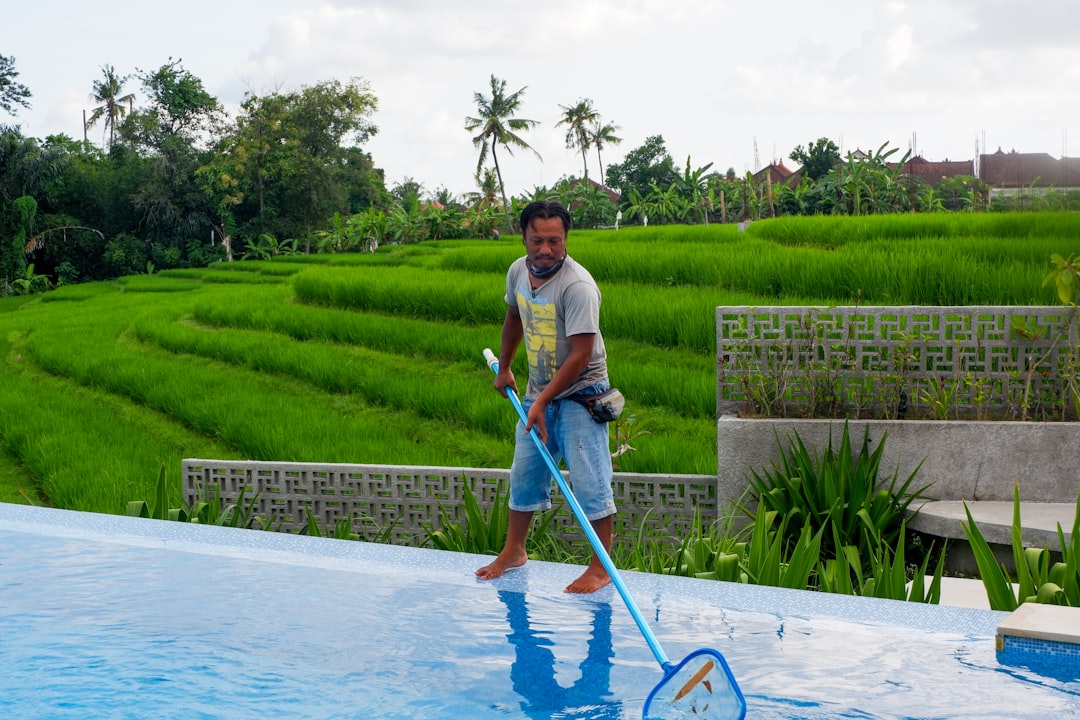
On the coast pools stay full through the winter: treated, covered and checked every few weeks.
Don’t drain your pool for the winter. An empty pool shell can be damaged by ground-water pressure after heavy rain, and liners and tiles dry out and crack in the sun. On the Costa del Sol, pools are normally kept full and put into winter mode:
Clean the pool, skimmers and filter; balance the pH.
Add a winterising treatment recommended by your technician.
Reduce the pump’s filtration hours — cooler water needs far less than summer.
Fit a winter cover to keep leaves and debris out.
Arrange a pool visit every two to four weeks to check the water level, pump and chemistry.
Getting the pool ready for winter? Find a local pool technician for winterising and regular checks — you agree the price directly with them.
Drains first. Clear terrace drains, roof-terrace outlets and gutters of leaves and sand. This is the single most effective thing you can do before the rainy season.
Wind-proof the terrace. Store parasols, cushions and light furniture; tie down anything that could blow into a window.
Irrigation. The rainy season runs roughly from October to April, so a summer programme will overwater. Use a rain sensor or a reduced winter schedule.
Pine trees. Pine processionary caterpillar nests appear on pines in autumn and winter. Their hairs are dangerous for dogs and children, so arrange treatment with a pest-control professional.
While you’re away: what a good property check covers
A property check (or key-holding service) is the difference between finding a small problem in November and a big one in March. Every two to four weeks is a sensible routine, plus an extra visit whenever AEMET, Spain’s weather agency, issues a rain or wind warning for the Costa del Sol.
Six things a good visit covers — use this list to compare key-holding services:
Leaks and water. Water turned on briefly, taps run, toilets flushed, floors under sinks checked, water off again.
Damp and air. Windows opened for 20-30 minutes, dehumidifier emptied, walls and wardrobes checked for mould.
After heavy rain. Terrace drains, roof terrace, garage and basement checked for standing water.
Pool and garden. Water level, pump running, cover secure, fallen branches, irrigation working.
Security. Doors, shutters and locks tested, alarm checked, post and flyers collected.
Photo report. Dated photos of every room sent to you after each visit.
When you compare key holders, ask three questions: how often they visit, whether you get a dated photo report after each visit, and what they do if they find a problem — do they call you, or do they have plumbers and electricians they can send the same day?
Before you return
Ask your key holder to open the water and switch on the water heater 24 hours before you arrive.
Book an arrival clean so the house is aired and ready.
Have the pool technician switch the pool back to its spring programme.
Plan the AC service before the first hot weeks of May and June, when technicians get busy.
Should I switch off the electricity when I leave my house in Spain?
Usually not the main breaker. Your alarm, router, dehumidifier, pool pump and light timers need power. Instead, switch off the water heater at its breaker and unplug small appliances.
Should I drain my pool for the winter on the Costa del Sol?
No. Keep it full and put it into winter mode with a winterising treatment, reduced filtration hours and a cover. An empty pool can be damaged by ground-water pressure and sun.
How often should someone check my empty property?
Every two to four weeks is a sensible routine, plus an extra visit after any AEMET rain or wind warning. Check your insurance policy too — it may set its own requirement for unoccupied homes.
How do I stop damp in a closed-up apartment by the sea?
Keep air moving: leave interior doors and wardrobes ajar, run a dehumidifier with a continuous drain hose, use moisture absorbers, and ask your key holder to air the rooms for 20-30 minutes on each visit.
Do I need to tell my insurer I’m leaving the house empty?
Check your policy. Many home policies include conditions for unoccupied properties, such as a maximum period or regular inspections. If in doubt, ask your insurer in writing before you leave.
Leaving soon? Let a local professional take care of it
Find key holders, pool technicians, gardeners and cleaners across Marbella, Nueva Andalucía, San Pedro, Estepona, Benahavís, Elviria and Mijas.
A practical deep-cleaning checklist for Marbella homes: kitchens, bathrooms, windows, terraces, exclusions and preparing for the team's visit. Leer más


 por





Únete a la conversación